Australia’s migration landscape is undergoing a major transformation in 2025–2026, with sweeping reforms aimed at balancing population growth, addressing skill shortages, and easing pressure on housing and public services. For international students, these changes bring both challenges and new opportunities. Here’s a comprehensive breakdown of what to expect.
The New Student Visa Framework: Priority Processing System
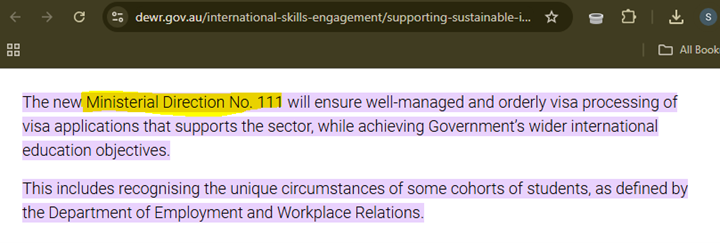
One of the most significant changes affecting international students is the introduction of Ministerial Direction 111, which replaces the previous numerical caps with a two-tiered priority processing system. This system categorizes student visa applications into “high priority” and “standard priority” categories instead of implementing strict numerical limits.
The key changes include:
- No more caps: The previous system that limited international student numbers has been replaced with a priority-based approach
- Streamlined processing: High-priority applications receive faster processing times
- Merit-based selection: Priority is likely determined by factors such as institution quality, course relevance to skills shortages, and applicant qualifications
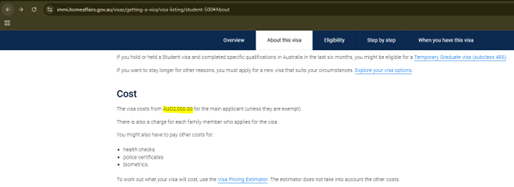
- Increase in Visa Fee: The fee for Subclass 500 student visa has been increased, the current fee is AUD 2000.
This shift suggests Australia is moving toward a more nuanced approach to international student selection, focusing on quality and strategic alignment rather than arbitrary numerical limits.

Post-Study Work Visa (485) Reforms: Mixed Outcomes
The Temporary Graduate visa (subclass 485) has undergone substantial changes that present both opportunities and challenges for international graduates.
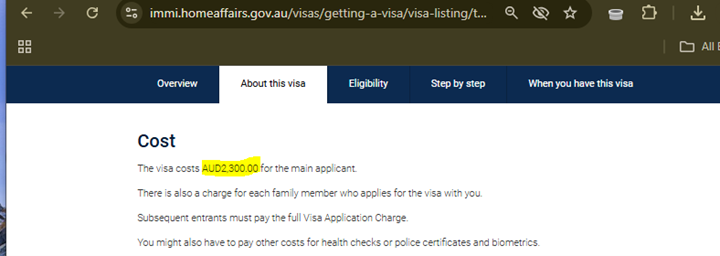
- Cost: Visa fee increased to AUD 2,300.
- Reduced stay duration: The stay duration has been decreased, i.e. for bachelors and master’s coursework is 2 years and for Masters research and PhD is up to 3 years.
- No extension: This visas not extendable. Students might need to find another visa for stay. However, you might be eligible for Second Post-Higher Education Work Stream Visa or skilled work visas, so you can consider these options as well.
- Age limit: Applicants must be 35 years of age or under to be eligible. Applicants with a Masters (research) or PhD can be up to 50 years of age.
The changes reflect Australia’s strategic focus on retaining graduates in areas experiencing critical skills shortages while managing overall migration volumes.
Impact on International Students
These changes have significant implications for international students planning their future in Australia:
- Increased Expense: The student visa (subclass 500) and the post-study work visa (subclass 485) both have increased fee, which means higher expense for the applicant.
- Limited Post-Study Work Opportunities: Shorter visa durations reduces the time graduates have to gain work experience and pursue PR.
- Prioritising quality over quantity: The recent change of the Ministerial Direction 111 takeover means that Australian education system will be focusing on highly qualified individuals with higher academic potential. This means that applications with strong employment and academic outcomes are likely to be processed in the high priority system.
Economic Context and Wage Requirements
The migration strategy marks significant salary adjustments that impact both students and graduates, along with the visa cost shift, which have been discussed below:
Salary Thresholds:
- Temporary Skilled Migration Income Threshold (TSMIT): Increased to $76,515 effective July 1, 2025
- Living cost reflection: This adjustment imitates Australia’s rising living costs
Visa Cost Increases:
- Student visa (Subclass 500): AUD 2,000
- Post-study work visa (Subclass 485): AUD 2,300
- Skilled migration visas (189, 190, 491): From AUD 4,910
These changes reflects Australia’s commitment to ensuring temporary migrants receive fair compensation while maintaining integrity, and serves as both opportunity as well as a challenge to the international students.
Discover More – Watch Our Video Below
Permanent Residency Pathways: New Opportunities Emerging
Despite tightened temporary visa conditions, Australia is creating new pathways to permanent residency for international graduates, recognizing their value to the economy.
| Visa Type | Key Features | Eligibility Criteria | Stay Duration | Visa Cost (From AUD) |
|---|---|---|---|---|
| Temporary Graduate Visa (Subclass 485) Post-Vocational Education Work Stream |
• Work temporarily after vocational education • Must have relevant qualification to a skilled occupation |
• Qualification relevant to occupation on Skilled Occupation List (SOL) • Age: ≤ 35 |
Up to 18 months | 2,300 |
| Temporary Graduate Visa (Subclass 485) Post-Higher Education Work Stream |
• Work temporarily after higher education • CRICOS-registered course required |
• Recent higher education degree • Age: ≤ 35 |
2–3 years (depending on qualification) | 2,300 |
| Temporary Graduate Visa (Subclass 485) Second Post-Higher Education Stream |
• Extended stay for graduates in regional areas | • Completion of degree in regional area • Age: ≤ 35 |
1–2 years | 905 |
| Skilled Independent Visa (Subclass 189) | • Permanent residency • Points-tested, no sponsor required |
• Minimum 65 points • Occupation on SOL • Age: ≤ 45 • Skills assessment required |
Permanent | 4,910 |
| State Nominated Visa (Subclass 190) | • Permanent residency • Requires state/territory nomination |
• Minimum 65 points • Occupation on SOL • State nomination • Age: ≤ 45 • Skills assessment required |
Permanent | 4,910 |
| Regional Skilled Visa (Subclass 491) | • 5-year provisional visa • PR pathway after 3 years |
• Minimum 65 points • State/relative sponsorship • Occupation on SOL • Age: ≤ 45 • Skills assessment required |
5 years (PR eligible after 3 years) | 4,910 |
| Global Talent Visa (Subclass 858) | • Permanent residency • For individuals with international acclaim in specific fields |
• Nominated by eligible person/org with national reputation • Exceptional achievements in profession, sports, arts, or research |
Permanent | 4,710 (main applicant) |
Looking Ahead: 2025/2026 Outlook
The migration strategy signals Australia’s commitment to a more sophisticated approach to international migration. Key trends to watch include:
| Category | Key Trends / Insights |
|---|---|
| Positive Indicators | Quality over Quantity – Focus on attracting potential international students and graduates |
| Salary Rise – Increased salary threshold will allow international students to cover their expenses easily | |
| Challenges to Navigate | Increased Competition – Fewer visa spots may result in more competitive selection and higher cut-off points |
| Higher Costs – Rising cost of living may pose financial challenges for applicants | |
| Stricter Criteria – Tougher eligibility requirements across multiple visa categories |
Strategic Recommendations to Navigate Australia’s Evolving Immigration Landscape:
For International Students:
- Choose strategically: Select courses and institutions that align with priority processing criteria
- Develop relevant skills: Focus on areas experiencing workforce shortages
- Consider regional options: Explore opportunities outside major cities
- Plan financially: Budget for higher living costs and potential wage increases
- Network actively: Build professional connections in target industries
Australia’s new migration strategy marks a major shift toward a more targeted and quality-driven approach to international education and skilled migration. It focuses on skills-based migration, regional development, and clearer pathways to permanent residency, aiming to attract international talent that meets the country’s long-term needs. While these changes introduce new challenges and increased competition, they also offer significant opportunities for international students who plan strategically. Success in this new system requires understanding the evolving migration landscape, choosing courses aligned with Australia’s priorities, and being adaptable in career planning. Students who stay informed and make smart decisions will be better positioned to benefit from the reforms. The 2025/2026 period will be especially important in seeing how these policies unfold and what new opportunities arise. Overall, international students who align with Australia’s goals and respond proactively to changes can still achieve strong outcomes under the new framework.