- Destinations
- Study
- Trade Courses to PR
- Automotive Electrician
- Air Conditioning and Mechanical Services Plumber
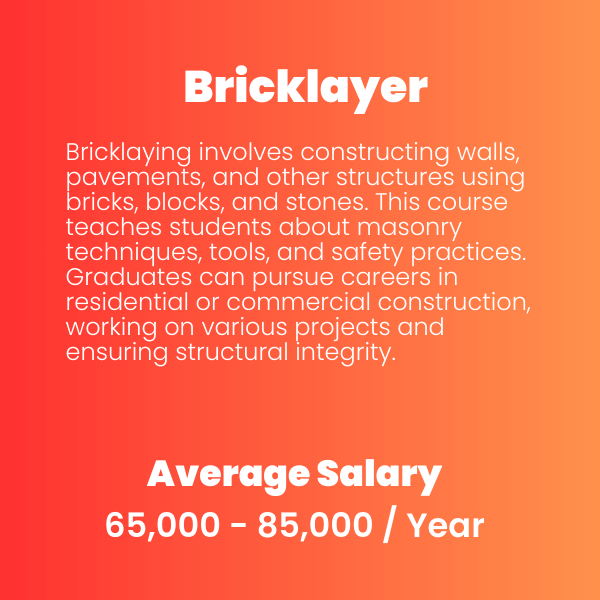
- Bricklayer
- Baker
- Boat Builder and Repairer
- Butcher or Smallgoods Maker
- Cabinetmaker
- Diesel Motor Mechanic
- Motorcycle Mechanic
- Small Engine Mechanic
- Sheetmetal Worker
- Metal Fabricator
- Pressure Welder
- Fitter and Turner
- Fitter Welder
- Metal Machinist (First Class)
- Stonemason
- Welder (First Class)
- Fitter (General)
- University Courses to PR
- Early Childhood (Pre Primary School) Teacher
- Secondary School Teacher
- Special Needs Teacher
- Nurse Practitioner
- Registered Nurse (Aged Care)
- Registered Nurse (Child and Family Health)
- Registered Nurse (Community Health)
- Telecommunications Network Engineer
- Social Worker
- Civil Engineering Draftsperson
- Civil Engineering Technician
- Electrical Engineering Draftsperson
- Electrical Engineering Technician
- Radio Communications Technician
- Courses with Good PR Prospect
- Architect
- Chiropractor
- Computer Network and Systems Engineer
- ICT Business Analyst
- Industrial Engineer
- Food Technologist
- Electrical Engineer
- Electronics Engineer
- Engineering Technologist
- ICT Security Specialist
- Midwife
- Mechanical Engineer
- Sonographer
- Quantity Surveyor
- Structural Engineer
- Transport Engineer
- Optometrist
- Orthotist or Prosthetist
- Physiotherapist
- Systems Analyst
- Multimedia Specialist
- Analyst Programmer
- Developer Programmer
- Software Engineer
- Software and Applications Programmers (NEC)
- Trade Courses to PR
- Visas
- Skilled Visas
- Skilled Work Regional (Provisional) Visa – Subclass 491
- Skilled Independent Visa – Subclass 189
- Skilled Nominated Visa – Subclass 190
- Skills in Demand Visa – Subclass 482
- Employer Nomination Scheme (ENS) Visa – Subclass 186
- Skilled Employer Sponsored Regional (Provisional) Visa – Subclass 494
- Permanent Residency Pathway – 191 Visa Australia
- Parent Visas
- Partner Visas
- Student Visas
- Graduate Visas
- Business Visas
- Book a Consultation
- Skilled Visas
- Services
- Degrees
- Blog






Expert guidance for your migration and study abroad journey. We specialize in navigating complex visa pathways to secure your future seamlessly.
MARN Registration: 2619225
QEAC Graduate: 12906
Skilled Migration
- 189 Skilled Independent
- 190 Skilled Nominated
- 887 Skilled Regional
- 491 Skilled Regional
- 191 Skilled Regional


